50+ Quotes by Taylor Swift About Life, Fame, and Artistry
Taylor Swift quotes that capture her perspective on life and artistry.
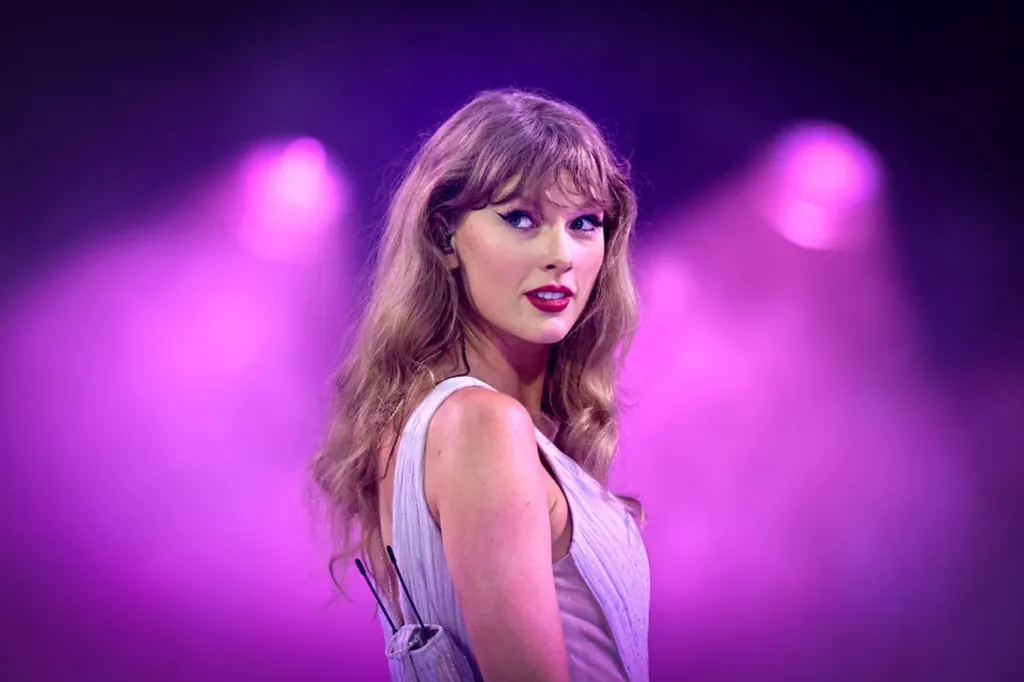
Taylor Swift has become one of the most influential voices in modern music, not only through her songs but also through her reflections on creativity, fame, and personal growth. Across interviews, documentaries, and public appearances, she has shared thoughtful insights about identity, resilience, reinvention, and the challenges of living life in the spotlight.
Below, you’ll find Taylor Swift quotes that capture her perspective on life and artistry with a short explanation to give context and help you better understand the ideas behind her words.
“I’ve never wanted to change who I am just to fit in.”
A recurring theme in interviews about fame, especially when reflecting on early industry pressure to conform.
“I think songwriting is how I understand my life.”
Often described in interviews as her way of processing emotions and turning experiences into narrative.
“I don’t think success should be measured by fame.”
This idea comes up in discussions about shifting her definition of success beyond public recognition.
“I try to be careful not to let fear make my decisions.”
Mentioned when talking about taking creative risks during major career transitions.
“I’ve learned that people will project things onto you that aren’t true.”
A reflection on dealing with media narratives and public assumptions.
“I think confidence is something you build over time.”
Framed in interviews as a gradual process shaped by experience rather than something innate.
“I don’t want to be defined by a single moment in my life.”
Linked to her comments about evolving publicly across different eras of her career.
“I’ve always believed in writing what I know, even if it’s uncomfortable.”
Her songwriting philosophy often centers on personal honesty and emotional truth.
“I think vulnerability is actually a strength.”
Frequently connected to how openness in songwriting can create deeper audience connection.
“I’ve had to learn how to separate public perception from reality.”
Came up during discussions about fame and how narratives form around celebrities.
“I don’t think you should ever feel pressured to rush your life.”
A perspective she has shared when addressing societal expectations about timing in relationships and success.
“I’ve learned that criticism can either define you or refine you.”
A way she’s described handling public scrutiny and choosing growth over reaction.
“I try to make choices that I won’t regret later.”
Often tied to her approach to long-term thinking in both career and personal decisions.
“I think reinvention is part of survival in a creative field.”
Discussed in relation to evolving her sound and artistic identity across different album eras.
“I’ve always wanted my work to feel personal to people.”
A consistent goal mentioned in interviews about connecting deeply with listeners.
“I don’t think you can control how people interpret you.”
Acknowledges the limits of managing public perception once art is released.
“I’ve learned to be more protective of my energy.”
Connected to her later-career emphasis on boundaries and avoiding burnout.
“I think it’s important to know when to step back and breathe.”
Referenced when discussing rest periods and stepping away from constant public activity.
“I’ve realized that growth often comes from discomfort.”
A reflection on how difficult experiences often lead to personal and artistic development.
“I think every album is a snapshot of who you are at that moment.”
This idea has come up when she describes how each project reflects a specific phase of her life.
“I’ve learned that timing is everything in creativity.”
Often mentioned when talking about waiting for the right moment to release or create work.
“I don’t believe in perfect decisions, only honest ones.”
A perspective shared in discussions about trusting instincts over overthinking.
“I try to remind myself that uncertainty is part of the process.”
Referenced when discussing career shifts and stepping into unfamiliar genres.
“I think fear is often just a sign that something matters.”
She has spoken about using fear as a signal rather than a barrier.
“I’ve realized that clarity comes after action, not before it.”
A recurring idea in conversations about decision-making and creative risk.
“I don’t think you can separate who you are from what you create.”
This reflects her belief that personal identity naturally influences art.
“I’ve learned that sometimes the best response is no response.”
Connected to how she handles public attention and media cycles.
“I try not to live in reaction to what people expect of me.”
Often mentioned when discussing independence in career choices.
“I think trusting your instincts is a skill you build over time.”
A reflection on learning to rely on intuition in both personal and professional decisions.
“I’ve had to accept that not everyone will understand my choices.”
This comes up in interviews about public scrutiny and artistic direction changes.
“I don’t think success feels the same every time you achieve it.”
She has described success as something that evolves with each milestone.
“I’ve learned that peace is something you actively create.”
A recurring theme in later-career discussions about balance and boundaries.
“I think the best work happens when you stop trying to prove something.”
Referenced when discussing creative freedom and letting go of external pressure.
“I don’t want to repeat myself creatively.”
A clear philosophy behind her constant reinvention across albums.
“I’ve realized that every phase of life has something to teach you.”
Often shared in reflective interviews about growing up in the public eye.
“I think it’s important to protect your relationship with creativity.”
She has spoken about avoiding burnout and preserving inspiration.
“I’ve learned that doubt never fully disappears, and that’s okay.”
A grounded view she’s expressed about long-term confidence and insecurity.
“I don’t think you need permission to grow.”
A sentiment tied to her decisions to shift genres and artistic direction.
“I try to stay open to wherever inspiration comes from.”
A reflection on her songwriting process and creative spontaneity.
“I think you have to be willing to be a beginner again and again.”
She has referenced this idea when talking about switching genres and rebuilding creatively at different points in her career.
“I’ve learned that control is often an illusion.”
This comes up in reflections on fame, public perception, and unpredictable industry dynamics.
“I don’t think you can outrun who you are creatively.”
A sentiment tied to her belief that artistic identity always resurfaces in her work.
“I try to focus on what feels right rather than what looks right.”
She has discussed prioritizing intuition over external expectations or image.
“I’ve realized that patience is part of the creative process.”
Often mentioned when describing how songs or albums develop over time.
“I think every risk I’ve taken has taught me something valuable.”
A recurring reflection on experimentation and genre shifts.
“I don’t want to make art that feels safe all the time.”
This idea appears in discussions about evolving sound and avoiding creative stagnation.
“I’ve learned that reinvention doesn’t mean losing yourself.”
She has addressed this when explaining changes between musical eras.
“I think the goal is to keep surprising yourself.”
A guiding principle she has mentioned in relation to songwriting and album creation.
“I’ve had to learn how to be proud of things that weren’t easy.”
This reflects her comments on difficult career phases and personal challenges.
“I don’t think confidence means never doubting yourself.”
She has described confidence as coexisting with insecurity rather than replacing it.
“I’ve realized that what lasts is what feels honest.”
A theme tied to her long-term approach to storytelling and music.
“I try not to measure my life by other people’s timelines.”
She has spoken about resisting societal pressure around milestones.
“I think creativity requires a certain amount of solitude.”
This has come up when discussing her writing process and need for focus.
“I’ve learned that clarity often comes from distance.”
A reflection on stepping back from situations to gain perspective.
“I don’t think you can force inspiration.”
She has repeatedly described songwriting as something that cannot be scheduled or rushed.
“I try to stay grateful even during chaos.”
A sentiment she has expressed when discussing high-pressure moments in her career.
“I’ve realized that the unknown is where most growth happens.”
A recurring idea in interviews about stepping into new artistic territory.
“I think you have to be okay with not having all the answers.”
She has spoken about uncertainty as a natural part of both life and creativity.
“I’ve learned that my work doesn’t have to make sense to everyone.”
A reflection on artistic freedom and acceptance of differing interpretations.

